

Cookerhood
Add a review FollowOverview
-
Sectors Teaching
-
Posted Jobs 0
-
Viewed 7
Company Description
What Is Extractor Hood? And How To Utilize It
The Ultimate Guide to Cooker Extractor Hoods: Clean Air and Cooking Efficiency Made Easy
In today’s kitchens, functionality and aesthetics go hand-in-hand. One crucial element that frequently takes center phase is the cooker extractor hood. These kitchen appliances not just improve the visual appeal of a cooking area however also play an essential function in maintaining air quality. In this extensive guide, we will explore the various types of cooker extractor hoods, their benefits, installation considerations, and maintenance suggestions.
What is a Cooker Extractor Hood?
A cooker extractor hood, commonly called a range hood, is an appliance set up above the cooking surface. Its primary function is to aerate the kitchen by getting rid of smoke, steam, heat, and cooking smells. It can likewise assist eliminate grease particles that might pick surfaces, therefore enhancing the general cleanliness of the kitchen.
Why Do You Need a Cooker Extractor Hood?
- Air Quality Improvement: Removes hazardous smoke and pollutants from the air.
- Smell Control: Prevents the sticking around odor of food from taking over your home.
- Grease Reduction: Minimizes grease accumulation on cabinets and countertops.
- Cooking Efficiency: Helps maintain a comfortable cooking temperature level.
Kinds Of Cooker Extractor Hoods
Cooker extractor hoods been available in numerous designs and performances. The ideal choice will depend upon your kitchen design, area, and cooking habits.
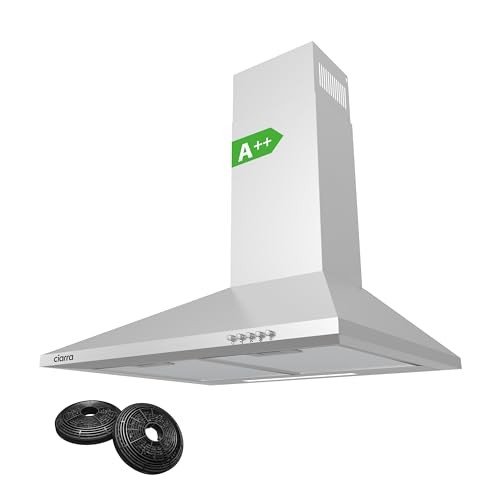
1. Wall-Mounted Hoods
Description: These hoods are mounted straight to the wall above the cooking area. They are popular for their visual appeal and efficiency.
Pros:
- Stylish design alternatives.
- Offered in various sizes.
Cons:
- Requires adequate wall space.
2. Island Hoods
Description: Installed above an island cooktop, these hoods are suspended from the ceiling.
Pros:
- Provides a centerpiece in open kitchen styles.
- Easily captures smoke and steam from all angles.
Cons:
- Typically more pricey.
- Needs ceiling support.
3. Under-Cabinet Hoods
Description: These compact hoods fit beneath the cabinet above the stove.
Pros:
- Space-saving style.
- Easy to set up.
Cons:
- Limited extraction power.
4. Downdraft Hoods
Description: Integrated into the cooking surface area, downdraft hoods rise up when in usage and retract when not needed.
Pros:
- Sleek and ovensandhobs inconspicuous design.
- Outstanding for kitchens with minimal headspace.
Cons:
- Usually less effective than standard hoods.
5. Built-In Hoods
Description: Custom-fitted into cabinets, integrated hoods mix effortlessly with the kitchen decor.
Pros:
- Aesthetic flexibility.
- Can be customized to specific kitchen designs.
Cons:
- Installation can be complicated and pricey.
| Type of Hood | Pros | Cons |
|---|---|---|
| Wall-Mounted | Elegant options, numerous sizes. | Needs wall space. |
| Island | Centerpiece, catches from all angles. | More costly, needs ceiling support. |
| Under-Cabinet | Space-saving, simple to set up. | Restricted extraction power. |
| Downdraft | Smooth style, excellent for tight spaces. | Less powerful. |
| Integrated | Aesthetic flexibility, custom fit. | Complex setup. |
Key Features to Consider
When choosing a cooker extractor hood, various functions can impact its performance and benefit. Here are some to keep in mind:
-
Suction Power (CFM): Measured in Cubic Feet per Minute (CFM), this shows how efficiently the hood can get rid of air. Greater CFM ratings typically suggest much better suction.
-
Noise Level (Sonnes): Noise is another important aspect. Search for hoods that provide quieter operation, typically ranked under 60 sones for an optimum cooking experience.
-
Filters: Consider whether the hood utilizes charcoal filters (for recirculating models) or aluminum baffle filters (for ducted designs). Easily replaceable filters streamline maintenance.
-
Ducted vs. Ductless: Ducted hoods vent air outside, while ductless hoods filter air and recirculate it back into the kitchen. Each has its benefits, depending upon the kitchen’s design.
-
Control Panels: Look for instinctive controls like touch panels or remote controls for ease of operation.
Setup Considerations
Appropriate setup is vital for the efficiency of a cooker extractor hood. Here are essential suggestions:
- Height from Cooktop: Most producers advise a mounting height of 26 to 30 inches above the cooking surface area.
- Ducting: Ensure that ductwork is appropriately sized and set up to promote efficient air flow.
- Expert Installation: If unsure, employing a specialist can guarantee the hood is set up correctly.
Maintenance Tips
To keep your cooker extractor hood working efficiently, follow these maintenance suggestions:
- Clean Filters Regularly: Depending on use, filters should be cleaned or changed every 1-3 months.
- Clean Down Exterior: Use a non-abrasive cleaner to keep the outdoors gleaming.
- Examine Vent Ducts: Ensure ducts are devoid of clogs and debris.
- Check for Grease Build-Up: Regularly examine the fan and blower system to prevent grease accumulation.
Regularly Asked Questions (FAQ)
1. How typically should I clean my cooker extractor hood?
- It’s a good idea to tidy filters every 1-3 months, while the exterior can be cleaned as required, generally every few weeks.
2. Can I set up a cooker extractor hood myself?
- While some designs might be simple, it’s suggested to employ an expert to ensure correct setup for optimal performance.
3. What is the perfect CFM for a cooker extractor hood?
- A great general rule is to have 600 CFM for heavy cooking styles and 300-400 CFM for lighter cooking.
4. Should I pick a ducted or ductless hood?
- If your kitchen enables it, a ducted hood is typically more efficient. However, if ducting is not possible, a ductless alternative can offer appropriate filtration.
5. Do cooker extractor hoods make sounds?
- Yes, all cooker extractor hoods produce some noise. Nevertheless, models created with noise-reduction features can operate more silently.
Selecting the ideal cooker extractor hood can considerably enhance your kitchen experience by enhancing air quality, minimizing smells, and maintaining tidiness. Understanding the different types, functions, and upkeep requirements will empower house owners to make an educated choice tailored to their cooking practices and kitchen design. As kitchens continue to progress into practical living areas, an effective cooker extractor hood is not just a high-end– it is a requirement.